

 ar.inspiredpencil.com
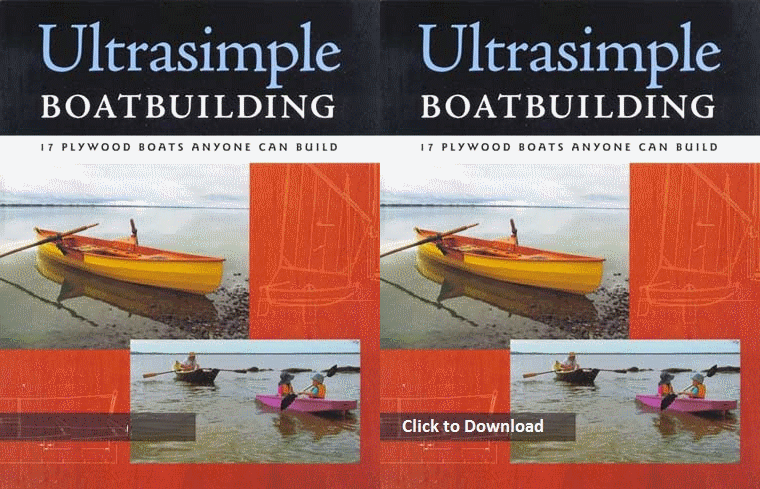
 Introduction: Building Your Own Boat: A Rewarding DIY Project Embarking on a boat-building journey is an ambitious yet incredibly fulfilling endeavor. It allows you to customize a vessel to your specific needs and preferences while gaining a deep understanding of boat construction. This guide provides a simplified, step-by-step approach to building a small, basic boat, suitable for calm waters like lakes or ponds. Safety is paramount. Always wear appropriate safety gear and consult with experienced boat builders if needed.
Step 1: Choosing a Boat Plan and Gathering Materials The foundation of any successful boat build is a good plan. Start with a simple design like a "stitch-and-glue" kayak, a small rowboat, or a simple flat-bottom skiff. Plans are readily available online or from specialized boat-building suppliers.
- Select Your Plan: Choose a plan that matches your skill level and intended use. Ensure the plan includes detailed instructions, material lists, and templates.
- Material List: Create a detailed material list based on the plan. Common materials include marine-grade plywood, epoxy resin, fiberglass cloth, wood for framing and trim, fasteners (screws, bolts), and paint or varnish.
- Gather Your Tools: Essential tools include a saw (circular saw or jigsaw), drill, sander, measuring tape, clamps, mixing containers, brushes, and safety gear (gloves, eye protection, respirator).
Step 2: Cutting and Preparing the Plywood Accuracy in cutting the plywood is crucial for a well-fitted boat.
- Transfer Templates: Carefully transfer the templates from the plan onto the plywood sheets. Use a marker or pencil to trace the outlines.
- Cut the Plywood: Use a saw to cut out the plywood pieces according to the traced outlines. Take your time and make precise cuts.
- Sand the Edges: Smooth the edges of the plywood pieces with sandpaper to remove any splinters or imperfections.
Step 3: Assembling the Boat Structure (Stitch-and-Glue Method Example) The "stitch-and-glue" method is a popular technique for beginners.
- Stitch the Pieces Together: Use copper wire or plastic zip ties to temporarily "stitch" the plywood pieces together according to the plan. This forms the basic hull shape.
- Adjust and Align: Carefully adjust the alignment of the pieces to ensure a fair curve and proper fit.
- Apply Epoxy Fillets: Mix epoxy resin and a thickening agent (such as wood flour or silica) to create a thick paste. Apply this paste as fillets along the inside seams where the plywood pieces join. This creates strong, watertight bonds.
Step 4: Fiberglassing the Seams and Hull Fiberglassing adds strength and waterproofing to the boat.
- Prepare the Surface: Sand the epoxy fillets smooth and clean the hull surface.
- Apply Fiberglass Cloth: Cut fiberglass cloth to the appropriate size and lay it over the seams and potentially the entire hull (depending on the plan).
- Wet Out the Cloth: Mix epoxy resin and apply it to the fiberglass cloth using a brush or squeegee. Ensure the cloth is thoroughly wetted out and saturated with resin.
- Allow to Cure: Allow the epoxy resin to cure completely according to the manufacturer's instructions.
Step 5: Adding Framing and Finishing Details This stage involves adding structural support and aesthetic elements.
- Install Framing: Install internal framing members, such as ribs or bulkheads, according to the plan. These provide additional strength and rigidity.
- Sand and Fair: Sand the entire hull to create a smooth and fair surface. Fill any imperfections with epoxy filler.
- Add Trim and Decking: Install trim pieces, such as gunwales and decks, to enhance the appearance and functionality of the boat.
Step 6: Painting and Varnishing Protect your boat and enhance its appearance with paint or varnish.
- Prepare the Surface: Sand the hull and trim to create a smooth surface for painting or varnishing.
- Apply Primer: Apply a coat of marine-grade primer to the hull and trim.
- Apply Paint or Varnish: Apply several coats of marine-grade paint or varnish, allowing each coat to dry completely before applying the next.
Conclusion: Enjoying Your Handcrafted Boat Building your own boat is a challenging but rewarding experience. After completing the final steps, you can proudly launch your handcrafted vessel and enjoy the fruits of your labor. Remember to always prioritize safety and operate your boat responsibly. Be sure to adhere to any local boating regulations and wear appropriate safety gear. Congratulations on building your own boat!
Simple Icon
ar.inspiredpencil.com Flickriver: Mag3737's Photos Tagged With Dyasc
 www.flickriver.com
 Easy Stock Image
 cartoondealer.com


0 komentar:
Posting Komentar